Korean Beef Bibimbap
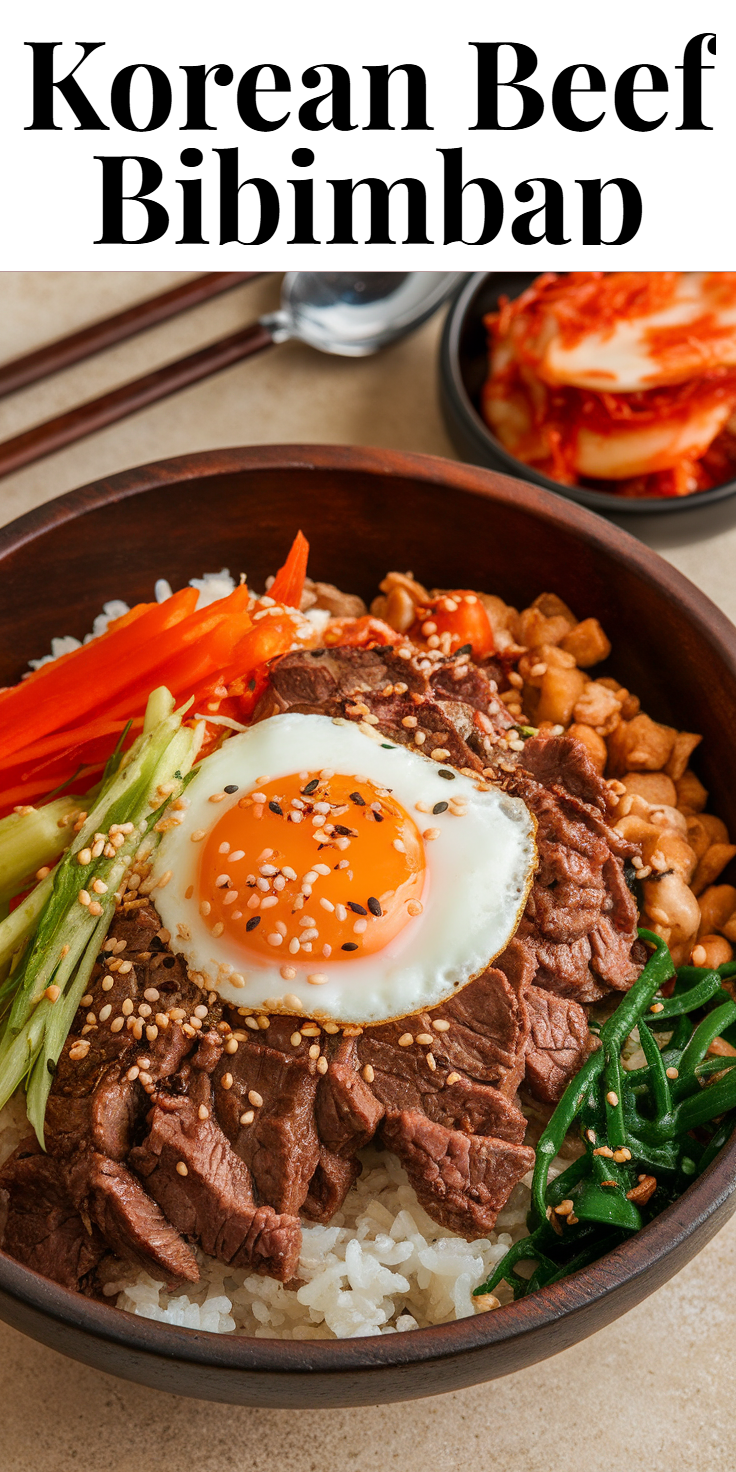
Korean Beef Bibimbap is a vibrant and satisfying rice dinner recipe that brings together marinated beef, colorful vegetables, and a savory sauce all in one bowl. This classic Korean dish is perfect for a weeknight meal and is surprisingly easy to make, even for beginners.
Key Ingredients & Substitutions
- Gochujang (Korean chili paste): Essential for the signature flavor. If unavailable, use Sriracha for heat, but the flavor will differ.
- Sesame Oil: Don’t skip this for authentic flavor.
- Short-grain rice: Provides the best texture for this rice dinner recipe. Long-grain rice works but won’t be as sticky.
- Thinly sliced beef (ribeye or sirloin): Can substitute with ground beef or chicken for a different texture.
- Assorted vegetables: Use what you have! Spinach, carrots, zucchini, and mushrooms are common.
Ingredients
For the Beef:
- 8 ounces thinly sliced beef (ribeye or sirloin)
- 2 tablespoons soy sauce
- 1 tablespoon sesame oil
- 1 tablespoon brown sugar
- 2 cloves garlic, minced
- 1/2 teaspoon black pepper
For the Vegetables:
- 1 tablespoon sesame oil (for cooking vegetables)
- 1 cup fresh spinach
- 1 carrot, julienned
- 1 small zucchini, julienned
- 4 ounces shiitake mushrooms, sliced
- Salt to taste
For the Rice:
- 2 cups cooked short-grain white rice
For the Bibimbap Sauce:
- 2 tablespoons gochujang
- 1 tablespoon sesame oil
- 1 tablespoon rice vinegar
- 1 tablespoon brown sugar
- 1 clove garlic, minced
- 1 teaspoon sesame seeds
Optional Garnish:
- 1 fried egg per serving
- Extra sesame seeds
- Sliced green onions
How Much Time Will You Need?
- Total Time: 45 minutes
- Prep Time: 20 minutes
- Cook Time: 25 minutes
- Servings: 2
- Calories per serving: Approximately 650-750 (varies based on ingredients)
- Tools needed: Large skillet, mixing bowls, small saucepan
Step-by-Step Instructions
1. Prepare the Rice
Begin by cooking your short-grain rice according to package directions. It’s best to have the rice ready and warm when you assemble your bibimbap bowls. Fluffy, well-cooked rice is the foundation of this delicious rice dinner recipe.
2. Marinate the Beef
In a medium bowl, combine the thinly sliced beef with soy sauce, sesame oil, brown sugar, minced garlic, and black pepper. Mix well and let it marinate for at least 15 minutes while you prepare the vegetables. This infuses the beef with rich flavor.
3. Cook the Vegetables
Heat 1 tablespoon of sesame oil in a large skillet over medium-high heat. Sauté each vegetable separately until tender-crisp, seasoning lightly with salt as you go. This ensures each vegetable retains its distinct texture and flavor.
4. Cook the Beef
In the same skillet, cook the marinated beef over medium-high heat until it’s browned and cooked through. Break up any clumps with your spoon. The beef should be tender and flavorful, ready to top your rice.
5. Make the Bibimbap Sauce
In a small bowl, whisk together the gochujang, sesame oil, rice vinegar, brown sugar, minced garlic, and sesame seeds. This sweet, spicy, and savory sauce is crucial for the authentic bibimbap experience. Taste and adjust seasonings as needed.
6. Assemble Your Bibimbap Bowls
Divide the cooked rice into two large serving bowls. Arrange the cooked beef and each of the sautéed vegetables decoratively on top of the rice. Finish by adding a fried egg to each bowl, if using, and a generous drizzle of the bibimbap sauce.
Variation Ideas
- Vegetarian Bibimbap: Omit the beef and add pan-fried tofu or tempeh for a plant-based version of this rice dinner recipe.
- Spicy Kick: Add extra gochujang or a pinch of red pepper flakes to the sauce for more heat.
- Different Greens: Try kale or bok choy in place of spinach.
- Kimchi Addition: Include a spoonful of kimchi for a tangy, fermented element.
Storage Instructions
Store leftover Korean Beef Bibimbap ingredients separately in airtight containers in the refrigerator for up to 2-3 days. When ready to eat, reheat the components individually and then assemble for the best flavor and texture. This helps maintain the freshness of each element.
Frequently Asked Questions (FAQ)
Q: What kind of rice is best for bibimbap?
A: Short-grain white rice is ideal as it becomes sticky and holds its shape well, making it easy to mix with the other ingredients.
Q: Can I prepare the vegetables ahead of time?
A: Yes, you can sauté the vegetables a day in advance and store them in the refrigerator. This makes assembling your rice dinner recipe much quicker.
Q: Is bibimbap usually served hot or cold?
A: Bibimbap is typically served warm, with freshly cooked rice and warm toppings.
Q: What if I don’t like spicy food?
A: You can reduce the amount of gochujang in the sauce or omit it entirely for a milder flavor.
Q: Can I use pre-cut vegetables?
A: Absolutely! Pre-cut vegetables save time and are a great option for a quick weeknight rice dinner recipe.
Q: What does “bibimbap” mean?
A: “Bibimbap” literally translates to “mixed rice,” which perfectly describes this delicious and customizable dish.