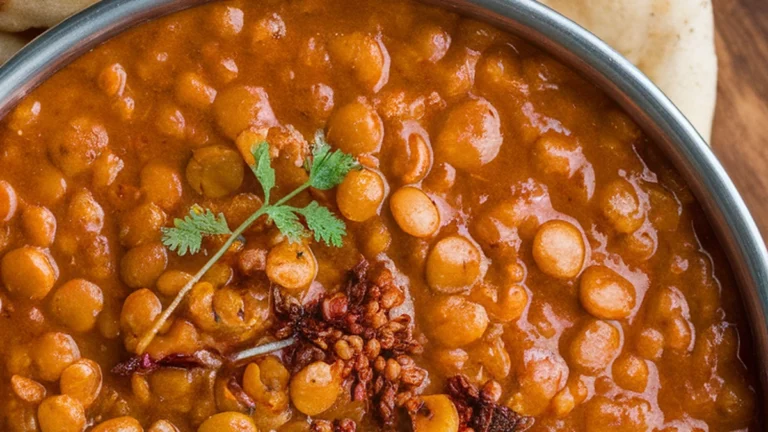
Behari Kabab

Introduction
Behari kabab is a spiced meat skewer built on a foundation of toasted whole spices ground fresh, then mixed into a yogurt marinade with ginger, garlic, and lemon juice. The meat marinates for at least 4 hours—or overnight—before grilling or baking, which gives the spices time to penetrate and tenderize. This is a confident weeknight dinner or weekend entertaining dish that works equally well with beef, lamb, or mutton.
Recipe Details
- Prep Time: 20 minutes
- Cook Time: 15 minutes (plus 4 hours or overnight marinating)
- Total Time: 4 hours 35 minutes (not including marinating time)
- Servings: 4
Ingredients
- 1 tsp cumin seeds
- 1 tsp coriander seeds
- 1 tsp fennel seeds
- 1 tsp mustard seeds
- 1 tbsp ginger paste
- 1 tbsp garlic paste
- 1 tsp garam masala
- 1 tsp paprika
- 1 tsp chile flakes
- 1 tsp turmeric
- 1 tsp salt
- 2 tbsp yogurt
- 2 tbsp lemon juice
- 2 tbsp oil
- 1 pound beef, lamb, or mutton, cut into small pieces
Instructions
- In a small pan, dry roast the cumin seeds, coriander seeds, fennel seeds, and mustard seeds over medium heat until fragrant. Grind the roasted spices in a spice grinder or with a mortar and pestle.
- In a small bowl, combine the ground spices with the ginger paste, garlic paste, garam masala, paprika, chili flakes, turmeric, salt, yogurt, lemon juice, and oil. Mix well to make the marinade.
- Place the meat in a large bowl and pour the marinade over it. Mix well to coat the meat with the marinade. Cover the bowl with plastic wrap and refrigerate for at least 4 hours or overnight.
- Preheat a grill to medium-high heat. Thread the marinated meat onto skewers and grill for 8-10 minutes, turning occasionally, until the meat is cooked through. Alternatively, you can bake the kababs in the oven at 400°F for 15-20 minutes.
- Serve the behari kababs hot with rice or naan bread and a side of your choice. Enjoy!
Variations
Adjust the heat level: Reduce the chile flakes to 1/2 tsp for a milder kabab, or increase to 2 tsp if you prefer a sharper spice kick. The total flavor profile stays the same, but the heat intensity shifts.
Use ground spices from the start: If you don’t have time to roast and grind whole spices, substitute 1 tsp ground cumin, 1 tsp ground coriander, 1 tsp ground fennel, and 1 tsp ground mustard. The flavor will be slightly less bright, but the dish remains solid.
Grill in a pan instead: Heat 2 tbsp oil in a cast-iron or heavy-bottomed skillet over medium-high heat and cook the kabab pieces for 3–4 minutes per side until the exterior is browned and the inside is cooked through. This works well for smaller batches or indoor cooking.
Add fresh herbs to the marinade: Stir in 2 tbsp chopped cilantro or mint just before adding the meat. This adds fresh brightness and a garden note without changing the core spice structure.
Cook on a sheet pan: Spread the marinated meat on a lined baking sheet in a single layer and bake at 400°F for 15–20 minutes. Turn the pieces halfway through for even browning. You won’t get the char of a grill, but the flavor and texture are still very good.
Tips for Success
Toast the whole spices until fragrant, not dark. If they burn, they’ll taste bitter and throw off the balance of the marinade. You should smell a warm, toasted aroma—usually 2–3 minutes over medium heat.
Don’t skip the overnight marinade. Four hours is the minimum, but 12–24 hours gives the yogurt and spices time to break down the meat fibers and develop deeper flavor. The longer marinating window is worth planning for.
If grilling, let the skewers rest on the grill for 1–2 minutes on each side before turning. This builds flavor through contact and prevents the meat from sticking or tearing. Turning too often keeps the surface from developing any color.
Make sure your meat pieces are roughly the same size. Uniform thickness ensures even cooking; smaller pieces cook faster and may dry out while larger pieces are still undercooked if threaded alongside them.
Grill or bake until the thickest piece is cooked through. For beef or lamb, a meat thermometer should read 160°F for medium doneness. If you don’t have one, cut into the thickest piece—there should be no pink inside for beef, and only a trace of pink for lamb if you prefer it medium-rare.
Storage and Reheating
Store the cooked kababs in an airtight container in the refrigerator for up to 3 days. The marinade keeps them moist.
To reheat, place the kababs in a covered oven-safe dish and warm at 350°F for 8–10 minutes until heated through. Covering prevents them from drying out. Alternatively, reheat gently in a skillet over medium heat with a splash of water, 3–4 minutes total, turning once.
FAQ
Can I use a different protein? Yes. Chicken breast or thighs work well and cook slightly faster—grill for 6–8 minutes or bake at 400°F for 12–15 minutes. Fish such as firm white fish or salmon also works; reduce the grilling time to 4–6 minutes to avoid overcooking.
What if I don’t have a spice grinder? Crush the toasted seeds coarsely with a mortar and pestle, or seal them in a small plastic bag and crush them with the bottom of a heavy pan. Some texture and slight variance in particle size are fine; you’re looking for broken-down, aromatic spices, not a powder.
Can I make the marinade ahead and store it? Yes. Mix the spice blend, pastes, and aromatics up to 1 day ahead and refrigerate in a covered bowl. Add the yogurt, lemon juice, and oil just before marinating the meat to keep the yogurt fresh.
What’s the best side dish to serve with these kababs? Rice (plain or pilaf), naan bread, or a fresh salad of tomatoes, cucumbers, and onions with lemon juice all complement the spices. A yogurt-based raita (yogurt mixed with grated cucumber and a pinch of cumin) also cools the palate if the kababs are spicy.
Attribution: Recipe text from “Cookbook:Behari Kabab” on Wikibooks (© Wikibooks contributors).
Source: https://en.wikibooks.org/wiki/Cookbook:Behari_Kabab
License: CC BY-SA 4.0 — https://creativecommons.org/licenses/by-sa/4.0/
Additions: Editorial additions and formatting changes were made for clarity and usability. Ingredients, instructions, and other sections may be adapted where appropriate.