Vegetable Pad Thai
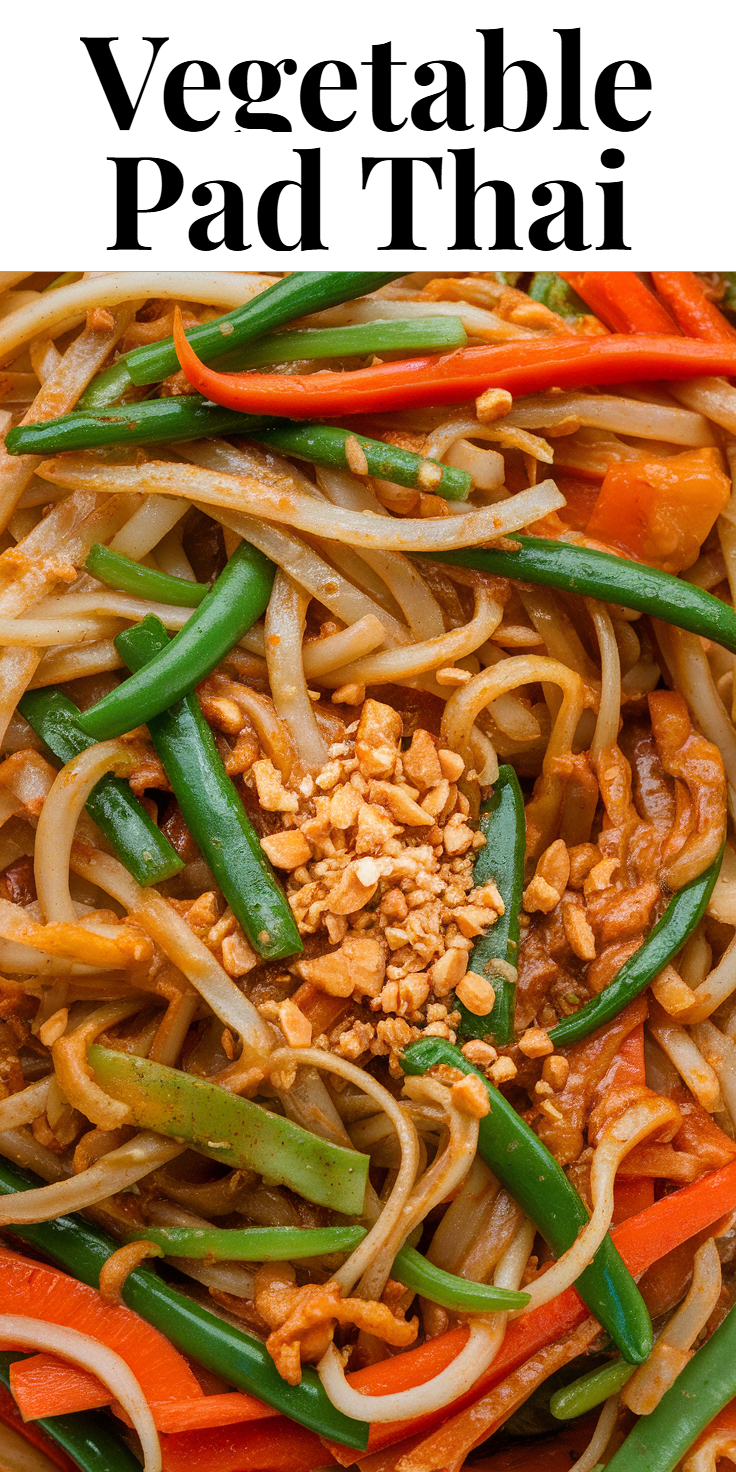
Craving a delicious and healthy dinner? This Vegetable Pad Thai recipe brings the vibrant flavors of Thailand right into your kitchen. It’s a fantastic option for your next asian dinner recipes night, offering a perfect balance of sweet, sour, and savory.
Key Ingredients & Substitutions
- Rice Noodles: Use flat, wide rice noodles. You can find them in the asian food aisle.
- Tamarind Paste: Essential for authentic flavor. If unavailable, use a mix of lime juice and a tiny bit of brown sugar.
- Soy Sauce: Use low-sodium if preferred. Tamari works for a gluten-free option.
- Vegetables: Bell peppers, carrots, broccoli, and bean sprouts are excellent choices. Feel free to use your favorites.
- Peanuts: Unsalted, roasted peanuts are best.
- Tofu: Firm or extra-firm tofu, pressed and cubed, adds protein and texture.
Ingredients
For the Pad Thai Sauce:
- 3 tablespoons tamarind paste
- 2 tablespoons soy sauce
- 1 tablespoon maple syrup or brown sugar
- 1 tablespoon rice vinegar
- 1 teaspoon sriracha (optional, for a kick)
Main Ingredients:
- 8 ounces flat rice noodles
- 2 tablespoons vegetable oil, divided
- 1 block (14 ounces) firm or extra-firm tofu, pressed and cubed
- 2 cloves garlic, minced
- 1 cup sliced bell peppers (any color)
- 1 cup broccoli florets
- 1 large carrot, julienned or thinly sliced
- 2 cups fresh bean sprouts
- 2 green onions, sliced
- 1/4 cup roasted peanuts, chopped
- Lime wedges, for serving
How Much Time Will You Need?
- Prep Time: 15 minutes
- Cook Time: 20 minutes
- Total Time: 35 minutes
- Servings: 4
- Tools: Large skillet or wok, small bowl
Step-by-Step Instructions
1. Prepare the Noodles
Soak your rice noodles in hot water for 10-15 minutes until pliable but still firm. Drain them well and set aside. Avoid over-soaking, as they will cook more in the pan.
2. Make the Pad Thai Sauce
In a small bowl, whisk together the tamarind paste, soy sauce, maple syrup (or brown sugar), rice vinegar, and sriracha (if using). This creates your flavorful base.
3. Cook the Tofu
Heat 1 tablespoon of vegetable oil in a large skillet or wok over medium-high heat. Add the pressed tofu cubes and cook until golden brown and slightly crispy on all sides. Remove the tofu from the pan and set it aside.
4. Sauté the Vegetables
Add the remaining 1 tablespoon of vegetable oil to the skillet. Add the minced garlic and sauté for 30 seconds until fragrant. Add the bell peppers, broccoli, and carrots and stir-fry for 3-5 minutes until they are tender-crisp.
5. Combine Everything
Add the soaked noodles, cooked tofu, and the prepared Pad Thai sauce to the skillet with the vegetables. Toss everything together using tongs, ensuring the noodles and vegetables are evenly coated. Cook for 2-3 minutes, allowing the sauce to thicken slightly and the noodles to finish cooking.
6. Finish with Freshness
Stir in the bean sprouts and half of the sliced green onions. Cook for another minute until the bean sprouts are just warmed through. Serve immediately, garnished with the remaining green onions, chopped peanuts, and fresh lime wedges.
Variation Ideas
- Add mushrooms or snap peas for extra veggie power.
- Stir in a scramble of eggs (cooked separately) at the end for added richness.
- Garnish with fresh cilantro for a burst of herbaceous flavor.
Storage Instructions
Store leftover Vegetable Pad Thai in an airtight container in the refrigerator for up to 3 days. To reheat, warm gently in a skillet or microwave until heated through. Add a splash of water or a little extra soy sauce if it seems dry.
Frequently Asked Questions
Q: Can I use different types of noodles?
A: Flat rice noodles are traditional for Pad Thai. Other noodles might not absorb the sauce the same way.
Q: What if I don’t have tamarind paste?
A: You can substitute with a mixture of lime juice and a small amount of brown sugar, but the authentic tang will be slightly different.
Q: How can I make this spicier?
A: Increase the amount of sriracha in the sauce, or add a pinch of red pepper flakes when sautéing the vegetables.
Q: Can I prepare this dish ahead of time?
A: It’s best enjoyed fresh, but you can prepare the sauce and chop vegetables ahead of time to speed up cooking.
Q: Is this recipe gluten-free?
A: If you use tamari instead of soy sauce and ensure your tamarind paste is gluten-free, this recipe can be made gluten-free.
Q: What kind of oil should I use?
A: Vegetable oil, canola oil, or peanut oil are good choices for stir-frying as they have a high smoke point.