Alicha Wot (Mild Ethiopian Stew)

Introduction
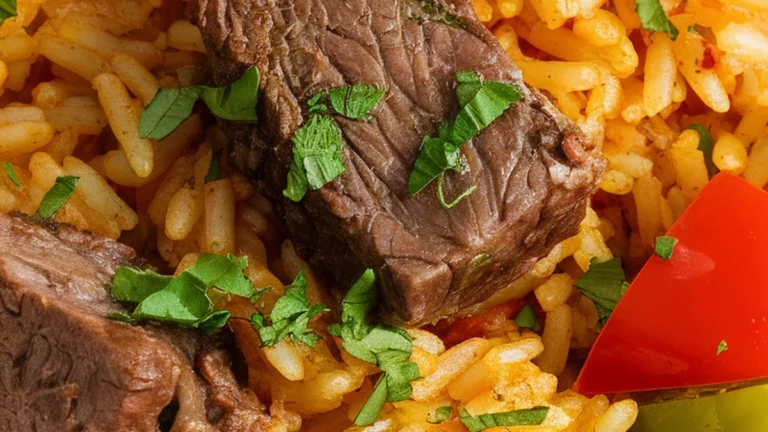
Alicha wot is a gentler cousin to the fierier red wot stews—built on aromatics, warm spices, and slow-cooked beef that becomes fork-tender in about an hour. The berbere blend gives it complexity without aggressive heat, making it approachable for most palates while still tasting distinctly Ethiopian. Serve it over injera or with flatbread to soak up the savory, ginger-forward sauce.
Recipe Details
- Prep Time: 15 minutes
- Cook Time: 1 hour
- Total Time: 1 hour 15 minutes
- Servings: 4
Ingredients
- 2 tablespoons olive oil
- 2 large onions, finely chopped
- 4 cloves of garlic, minced
- 2 tablespoons berbere spice blend
- 1 tablespoon grated ginger
- 1 tablespoon tomato paste
- 1 teaspoon ground turmeric
- ½ teaspoon ground cumin
- ½ teaspoon ground coriander
- ½ teaspoon salt, or to taste
- 500 grams (1 lb) beef, cubed
- ¼ teaspoon black pepper
- 2 cups beef broth or water
- Fresh cilantro or parsley, chopped, for garnish
Instructions
- Heat the olive oil in a large pot or Dutch oven over medium heat.
- Add the chopped onions to the pot and sauté until they become translucent and slightly browned.
- Add the minced garlic and grated ginger to the pot and sauté for an additional minute until fragrant.
- Stir in the berbere spice blend, tomato paste, ground turmeric, ground cumin, ground coriander, salt, and black pepper. Mix well to combine the spices with the onions, garlic, and ginger.
- Add the beef to the pot and stir to coat it with the spice mixture. Cook the beef for a few minutes until it is browned on all sides.
- Pour in the beef broth or water, ensuring that the beef is fully submerged in the liquid. Bring the mixture to a boil.
- Reduce the heat to low, cover the pot, and simmer for about 1 hour, or until the beef is tender and the flavors have melded together. Stir occasionally and add more liquid if needed to maintain the desired consistency.
- Taste the stew and adjust the seasoning with salt and pepper if needed.
- Remove the pot from the heat and let rest for a few minutes before serving.
- Garnish with fresh chopped cilantro or parsley. Serve hot with injera or bread, and enjoy the mild yet flavorful experience of this Ethiopian stew.
Variations
Chicken version: Substitute 500 grams of chicken thighs (cubed) for the beef. Reduce simmering time to 30–35 minutes until the chicken is cooked through and tender.
Potato addition: Add 300 grams of cubed potatoes in step 6, along with the broth. They’ll soften during the final 45 minutes of simmering and absorb the spiced sauce.
Extra depth with tomato: Replace the 1 tablespoon tomato paste with 150 grams of crushed tomatoes (about ½ cup). Add it in step 4 along with the other spices, and reduce the broth by ¼ cup to balance the additional liquid.
Vegetable-forward: After browning the beef in step 5, add 200 grams of chopped carrots and 150 grams of chopped green beans along with the broth in step 6. They’ll cook through during the final simmer.
Spice control: If your berbere blend is particularly hot, reduce it to 1½ tablespoons in step 4, taste after simmering, and add more if needed.
Tips for Success
Brown the onions properly: Let them sit undisturbed for 1–2 minutes between stirs so they caramelize rather than just steam. This builds the foundation of the stew’s flavor.
Bloom the spices: After adding the spice blend in step 4, stir constantly for about 30 seconds before adding the beef. This releases their oils and deepens their flavor.
Don’t rush the simmer: The beef needs the full hour to become truly tender and for the spices to meld into the sauce. A faster boil will toughen the meat.
Check liquid halfway through: At the 30-minute mark, glance under the lid. If the stew is reducing too quickly, add ¼ cup more broth to prevent sticking and ensure even cooking.
Taste before serving: Ethiopian spices vary by brand, so always adjust salt and pepper at the end. A small pinch of extra ginger or turmeric can brighten it if needed.
Storage and Reheating
Store the cooled stew in an airtight container in the refrigerator for up to 4 days. The flavors actually deepen slightly the next day.
To reheat, place it in a pot over medium-low heat and warm gently, stirring occasionally, until steaming (about 8–10 minutes). If it has thickened too much, add a splash of broth or water to reach your preferred consistency.
This stew does not freeze well—the beef can become tough and the spice profile flattens after thawing.
FAQ
Can I make this in a slow cooker?
Yes. Follow steps 1–5 on the stovetop, then transfer everything (including the broth) to a slow cooker and cook on low for 6–7 hours or high for 3–4 hours. The result will be equally tender.
What if I can’t find berbere spice blend?
Make a quick substitute by combining 1 tablespoon paprika, ½ teaspoon cayenne, ½ teaspoon fenugreek, and ¼ teaspoon each of black pepper, cinnamon, and cloves. Adjust heat to taste.
Can I use lamb or goat instead of beef?
Lamb works well and pairs beautifully with the ginger and warm spices. Use the same weight and simmering time. Goat will also work but may need an extra 15 minutes to tenderize fully.
Is this dish vegetarian?
Not as written, but you can replace the beef and beef broth with 600 grams of mixed vegetables (potatoes, carrots, bell peppers, cabbage) and vegetable broth. Reduce simmering time to 35–40 minutes since vegetables soften faster than beef.
Attribution: Recipe text from “Cookbook:Alicha Wot (Mild Ethiopian Stew)” on Wikibooks (© Wikibooks contributors).
Source: https://en.wikibooks.org/wiki/Cookbook:Alicha_Wot_(Mild_Ethiopian_Stew)
License: CC BY-SA 4.0 — https://creativecommons.org/licenses/by-sa/4.0/
Additions: Editorial additions and formatting changes were made for clarity and usability. Ingredients, instructions, and other sections may be adapted where appropriate.