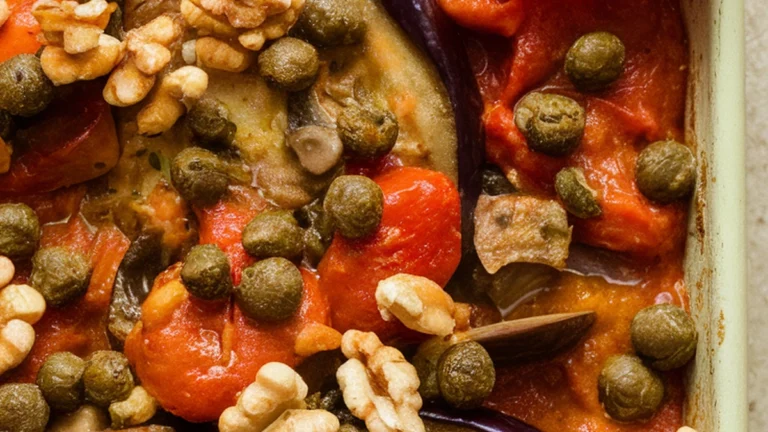
Amala Ọgẹdẹ (Nigerian Plantain Fufu)
Introduction
Amala Ọgẹdẹ is a smooth, starchy Nigerian staple made from plantain flour and water, ready in under 15 minutes. It’s a neutral, filling base that pairs with any soup—tomato-based, pepper-heavy, or light broth—making it ideal for weeknight dinners or meal prep.
Recipe Details
- Prep Time: 5 minutes
- Cook Time: 10 minutes
- Total Time: 15 minutes
- Servings: 6
Ingredients
- Plantain flour
- Water
Instructions
- Boil some water in a pot.
- Slowly stir in the plantain flour until smooth and lump-free.
- Add some water and cook for few minutes.
- Serve with the soup of your choice.
Variations
Thicker consistency: Use less water in the final addition. The dough should hold its shape on the plate rather than spread slightly.
Vegetable boost: Stir in finely chopped spinach or kale during the last minute of cooking for color and mild mineral flavor.
Richer texture: Replace half the cooking water with vegetable or chicken broth for deeper savory notes.
Softer fufu: Add extra water gradually after the initial cooking and stir until you reach a looser, porridge-like texture.
Toasted nuttiness: Lightly toast the plantain flour in a dry pan for 1–2 minutes before adding water; this deepens its flavor.
Tips for Success
Stir constantly during the flour addition. This prevents lumps from forming and ensures an even, smooth final texture—lumpy amala is harder to eat with soup.
Watch the water-to-flour ratio. Start with less water than you think you’ll need; you can always add more, but you cannot remove it. The mixture should reach a thick, stiff consistency that holds together without being gluey.
Taste for doneness. After the final cooking period, the flour should taste fully cooked and tender, not raw or grainy. If it still tastes floury, cook for another 1–2 minutes.
Serve immediately. Amala sets and firms as it cools. If it sits, reheat gently with a splash of water to restore creaminess before serving.
Storage and Reheating
Refrigerator: Store covered in an airtight container for up to 3 days. The texture will firm as it cools.
Freezing: Not recommended; the starch breaks down and becomes grainy when thawed.
Reheating: Place in a pot over low heat, add 2–3 tablespoons of water, and stir gently until warmed through and smooth again (about 3–5 minutes). Alternatively, microwave in a covered bowl with a splash of water for 1–2 minutes, stirring halfway.
FAQ
Can I use regular flour instead of plantain flour?
No. Regular wheat flour will not give you the same texture or flavor. Plantain flour is starchy and neutral in a way wheat flour is not. Stick with plantain flour for authentic amala.
How do I know if my amala is cooked enough?
The mixture should be completely smooth and pull away slightly from the sides of the pot as you stir. If it still tastes raw or floury, cook it a minute or two longer.
What soups pair best with amala?
Amala works with any soup—tomato-based soups, pepper soups, okra soups, and light broths all work well. The neutral flavor of the fufu lets the soup shine.
Can I make amala ahead and reheat it?
Yes, but it’s best freshly made. If you must make it ahead, store it in the fridge and reheat gently with added water to restore smoothness.
Attribution: Recipe text from “Cookbook:Amala Ọgẹdẹ (Nigerian Plantain Fufu)” on Wikibooks (© Wikibooks contributors).
Source: https://en.wikibooks.org/wiki/Cookbook:Amala_Ọgẹdẹ_(Nigerian_Plantain_Fufu)
License: CC BY-SA 4.0 — https://creativecommons.org/licenses/by-sa/4.0/
Additions: Editorial additions and formatting changes were made for clarity and usability. Ingredients, instructions, and other sections may be adapted where appropriate.