Atama Soup

Introduction
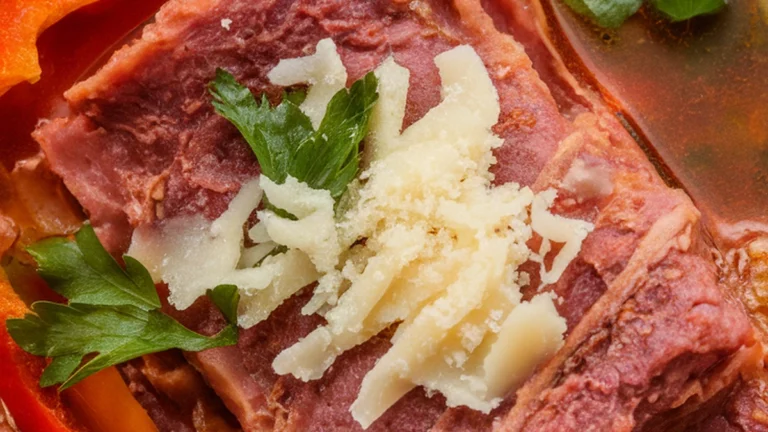
Atama soup is a rich, seafood-forward West African stew built on palm fruit extract, layered with smoked fish, snails, periwinkles, and ground crayfish. The soup demands patience—each ingredient (periwinkles, snails, palm fruit) requires individual preparation and cooking—but rewards you with deep, umami-loaded broth and tender proteins. Plan for about 90 minutes total, and serve it with pounded yam, fufu, or boiled rice to soak up the oily, flavorful base.
Recipe Details
- Prep Time: 35 minutes
- Cook Time: 75 minutes
- Total Time: 110 minutes
- Servings: 4–6
Ingredients
1 kg meat
Smoked fish
Mudu palm fruit
Small piece of lime/alum
1 tablespoon ground crayfish
Small bunch of atama leaves
Medium-sized snails
Water
Small piece of uyayak
2 cubes of maggi or more to taste
1 cup of periwinkles
Salt to taste
Instructions
Cut a little piece of the tail end of periwinkle, then wash thoroughly and boil with a teaspoon of salt of about for about 8-10 minutes until it foams. Remove and wash thoroughly to get rid of the dirt.
Wash and boil palm fruits for about 30 minutes. Drain off water and pound for few minutes. Add palm fruits to warm water, mix thoroughly, and drain off the oily extract.
Remove unwanted bits of snails, add 2 tbsp salt, and knead to remove the slime. Use lime to wash snail thoroughly to remove the remaining slime. Season and boil snail until it’s cooked.
Cut and finely grind the atama leaves.
Pour the oily palm fruit extract in a pot, boil for about 5 minutes, add boiled snail, meat, cleaned fish, periwinkle, pepper, and maggi. Stir and allow to boil for about 10 minutes.
Add atama leaves, and let it boil for 10 minutes without stirring.
Add uyayak and salt to taste, then stir well. Allow to simmer for another 10-15 minutes.
Remove from heat, then serve with pounded yam, fufu, or boiled rice.
Variations
Increase the seafood ratio: Use 1½ cups periwinkles and add 200g fresh prawns (boiled separately) in the final minutes. This lightens the soup slightly and adds a sweeter seafood note.
Substitute meat protein: Replace the 1 kg meat with beef offal (tripe or liver), which cooks faster and adds a different savory depth to the broth.
Add leafy greens: Stir in chopped spinach or kale alongside the atama leaves to bulk up the pot and add earthiness without changing the core flavor.
Use fresh snails instead of medium-sized: If you can source fresh snails, use the same weight and extend the boiling time by 5–10 minutes to ensure tenderness.
Reduce oil intensity: If the palm fruit extract feels too heavy, use three-quarters of the extract and replace the remainder with light broth to keep the soup more pourable.
Tips for Success
Washing periwinkles thoroughly is non-negotiable: They hold sand and grit inside the shell. The foaming stage during the first boil signals that trapped dirt is loosening; after removal, scrub each one individually under running water or soak them in salted water for 5 minutes, then rinse again.
Don’t skip the palm fruit pounding step: Pounding breaks down the fruit enough for the oily extract to separate cleanly. If you rush this or skip it, you’ll get watery soup instead of the rich, coating broth that defines atama.
Stir the atama leaves only after their 10-minute boil: Stirring too early breaks them into fine particles and muddies the broth. Let them stay undisturbed so they soften and release their flavor as a cohesive layer.
Taste for salt and seasoning only at the end: Maggi cubes, meat, smoked fish, and ground crayfish all contribute saltiness. Add uyayak and final salt after the broth has simmered so you don’t over-season.
Prep the periwinkles and snails early: These two components take the longest to clean and cook. Boil them before you start the palm fruit so all your proteins are ready when you begin building the soup.
Storage and Reheating
Store atama soup in an airtight container in the refrigerator for up to 3 days. The oil will solidify slightly when cold; this is normal and does not affect flavor or texture.
This soup does not freeze well—the snails and periwinkles become tough and the palm oil separates unevenly when thawed.
FAQ
Can I use frozen periwinkles or snails instead of fresh?
Yes, but thaw them completely and reduce their individual boiling time by 2–3 minutes, as freezing softens the tissue slightly. Still wash them thoroughly to remove any residual grit or ice crystals.
What if I can’t find atama leaves locally?
Atama leaves give the soup its signature name and earthy backbone. If unavailable, substitute with an equal amount of finely chopped spinach or kale mixed with a pinch of ground nutmeg for depth, though the flavor profile will shift noticeably.
How do I know when the snails are fully cooked?
Pierce one with a fork after boiling. Cooked snail meat should be firm but tender, not rubbery or mushy. If it’s still chewy, boil for another 5 minutes and check again.
Can I make this soup ahead and reheat it for a dinner party?
Yes—prepare it through the uyayak step, cool it completely, and refrigerate for up to 2 days. Reheat gently on the stovetop over medium heat, stirring occasionally, and serve with your starches. Taste again for salt before serving, as flavors mellow slightly when chilled.
Attribution: Recipe text from “Cookbook:Atama Soup” on Wikibooks (© Wikibooks contributors).
Source: https://en.wikibooks.org/wiki/Cookbook:Atama_Soup
License: CC BY-SA 4.0 — https://creativecommons.org/licenses/by-sa/4.0/
Additions: Editorial additions and formatting changes were made for clarity and usability. Ingredients, instructions, and other sections may be adapted where appropriate.