Baked Lemon Thyme Halibut

Introduction
This baked halibut cooks in a parchment and foil packet with lemon, thyme, and fish stock—a method that keeps the flesh moist and traps aromatics. The whole process takes about 20 minutes, making it practical for a weeknight dinner that feels deliberate without demanding effort.
Recipe Details
- Prep Time: 10 minutes
- Cook Time: 18 minutes
- Total Time: 28 minutes
- Servings: 1 (or scale up by multiplying all ingredients by the number of servings needed)
Ingredients
- 1 halibut fillet (approximately 1 pound / 450 g)
- 1 Tbsp extra-virgin olive oil
- 4 sprigs of fresh thyme
- 1 lemon, sliced
- ¼ cup fish stock
- 1 Tbsp black pepper
Instructions
- Place the fish in the center of the baking pan.
- Drizzle fish with olive oil and fish stock. Add thyme sprigs, slices of lemon, and sprinkle with pepper. Cover with parchment paper and foil.
- Bake in oven on sheet pan at 400 °F (200 °C) for 15-20 minutes until flesh is flaky.
Variations
Herb swap: Replace thyme with dill or tarragon for a different aromatic profile; dill works especially well if you add a touch of Dijon mustard to the cooking liquid.
Stock alternative: Substitute fish stock with vegetable broth or white grape juice if fish stock is unavailable; the acidity and subtle sweetness will brighten the broth without altering the cooking time.
Citrus variation: Use lime or orange slices instead of lemon for a different brightness; orange pairs particularly well with the thyme.
Add vegetables: Layer thin slices of zucchini, fennel, or bell pepper under or alongside the fillet to cook in the same packet; these won’t extend cooking time significantly but will add texture and flavor.
Spice heat: Replace black pepper with red pepper flakes or add a pinch of smoked paprika for warmth and depth.
Tips for Success
Don’t skip the parchment and foil double cover. This traps steam and keeps the fish from drying out; if you only use one layer, moisture escapes and the flesh can become tough.
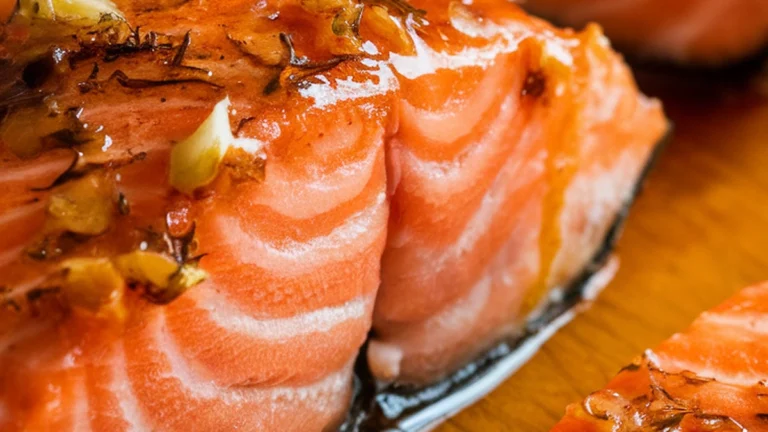
Check doneness by flaking gently. At 15–20 minutes, insert a fork into the thickest part and twist gently; the flesh should break into opaque flakes with no translucent center. Overcooked fish becomes dry quickly, so start checking at 15 minutes if your fillet is thin.
Slice the lemon thinly and scatter it evenly. Thicker slices won’t soften enough to perfume the fish properly, and uneven placement means some parts get more citrus flavor than others.
Let the fillet sit at room temperature for 5 minutes before baking. This promotes even cooking throughout the flesh, especially if it’s thick.
Storage and Reheating
FAQ
Can I prepare this ahead of time?
Yes. Assemble the packet (fillet, herbs, lemon, oil, and stock on parchment) up to 4 hours before baking. Wrap it in foil and refrigerate, then bake directly from the fridge, adding 2–3 minutes to the cooking time.
What if I can’t find fresh thyme?
Use 1 teaspoon of dried thyme or substitute with fresh rosemary, oregano, or tarragon in equal amounts. Dried herbs are more concentrated, so use a lighter hand.
Is the skin left on the fillet?
The recipe works either way. Skin-on fillets are slightly more forgiving because the skin protects the underside; skinless fillets cook a bit faster and are easier to eat if that’s your preference.
Can I use a different type of fish?
Yes. Cod, sea bass, or Arctic char work equally well at the same temperature and time. Thinner fillets (under 1 inch) may be done in 12–15 minutes, so check earlier.
Attribution: Recipe text from “Cookbook:Baked Lemon Thyme Halibut” on Wikibooks (© Wikibooks contributors).
Source: https://en.wikibooks.org/wiki/Cookbook:Baked_Lemon_Thyme_Halibut
License: CC BY-SA 4.0 — https://creativecommons.org/licenses/by-sa/4.0/
Additions: Editorial additions and formatting changes were made for clarity and usability. Ingredients, instructions, and other sections may be adapted where appropriate.