Chestnut Puree

Introduction
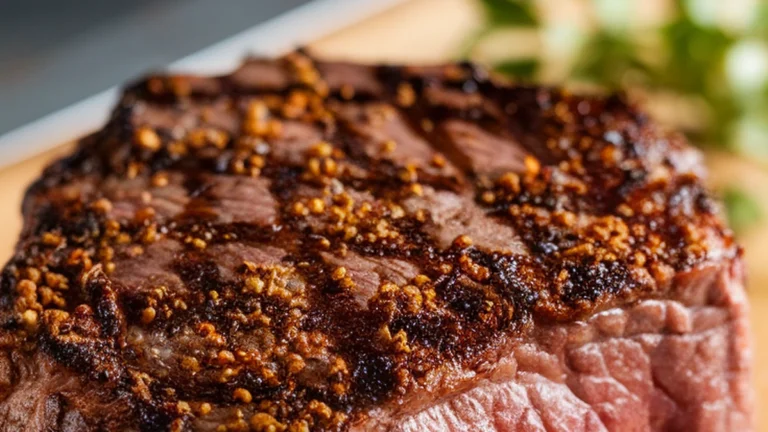
Chestnut puree is a refined side dish that turns a humble ingredient into something silky and luxurious through a straightforward technique: baking, peeling, simmering, and passing through a sieve. The result is a smooth, buttery accompaniment that works equally well alongside roasted game, poultry, or beef. This recipe yields about 2 cups of puree and takes roughly 45 minutes from start to finish.
Recipe Details
- Prep Time: 15 minutes
- Cook Time: 30 minutes
- Total Time: 45 minutes
- Servings: 4–6 (as a side dish)
Ingredients
- Whole chestnuts
- 1 pinch white granulated sugar
- 1 pinch salt, if needed
- Butter
- 1 quart (950 ml) chicken, veal, or beef stock
Instructions
- Carefully split the skin at the thin (protruding) side of the chestnuts, and place them on a baking tray that contains a little water.
- Bake chestnuts in the oven for around 7-8 minutes. This will make it easier to peel them.
- Peel the chestnuts.
- Cook the chestnuts in just enough consommé for them to be damp. The chestnuts should not be hard but not be too well cooked either.
- Pass the cooked chestnuts through a fine sieve.
- Put the puree into a saucepan, then add a pinch of sugar and a pinch of salt if necessary.
- Add fine butter and turn off the heat once thick.
Variations
With roasted garlic: Add 2–3 roasted garlic cloves to the saucepan before passing through the sieve for a subtle savory depth that complements game birds and venison.
Chestnut and mushroom blend: Fold in 2 tablespoons of finely chopped sautéed mushrooms (cremini or porcini) after sieving for earthiness and a slightly looser texture.
Lighter finish with cream: Replace half the butter with heavy cream whisked in after the puree thickens; this creates a fluffier, less dense side that pairs well with lighter poultry.
With fresh thyme: Simmer a sprig of fresh thyme in the stock alongside the chestnuts, then remove before sieving for subtle herbal notes.
Sweeter version: Increase the sugar to ½ teaspoon and add a small pinch of ground cinnamon or nutmeg if serving as a dessert accompaniment or alongside duck.
Tips for Success
Don’t skip the baking step. Seven to eight minutes of oven heat loosens the skin from the flesh underneath, making peeling far faster and less frustrating.
Watch the cooking time closely. Chestnuts can turn grainy if overcooked; aim for just-tender, not mushy. Test one with a fork around the 15-minute mark and adjust from there.
Pass everything through the sieve. This step is what transforms cooked chestnuts into a truly smooth puree; rushing or skipping it leaves you with a lumpy result.
Add butter off heat. Turning off the heat before stirring in the butter prevents it from separating and keeps the puree emulsified and thick.
Taste before serving. A tiny pinch of salt can make a big difference; add it gradually since the stock may already contain some.
Storage and Reheating
Store the puree in an airtight container in the refrigerator for up to 3 days. It can also be frozen in ice cube trays or small portions for up to 2 months.
FAQ
Can I prepare the chestnuts ahead of time?
Yes. You can roast, peel, and cook the chestnuts up to 1 day in advance, then sieve and finish with butter and seasonings just before serving.
What’s the difference between using chicken, veal, and beef stock?
Chicken stock yields a milder, more delicate puree suited to poultry; veal stock is neutral and works with most dishes; beef stock creates a richer, deeper flavor best paired with game or beef. Choose based on what protein you’re serving it alongside.
Can I use frozen chestnuts instead of fresh?
Yes. Thaw them completely first, then skip the baking step and proceed directly to peeling. This saves about 10 minutes, though the flavor may be slightly less intense than fresh.
What if my puree is too thick after adding butter?
Whisk in warm stock or cream, 1 tablespoon at a time, until you reach the consistency you want. If it’s too loose, simmer gently on low heat for 2–3 minutes to reduce the liquid slightly.
Attribution: Recipe text from “Cookbook:Chestnut Puree” on Wikibooks (© Wikibooks contributors).
Source: https://en.wikibooks.org/wiki/Cookbook:Chestnut_Puree
License: CC BY-SA 4.0 — https://creativecommons.org/licenses/by-sa/4.0/
Additions: Editorial additions and formatting changes were made for clarity and usability. Ingredients, instructions, and other sections may be adapted where appropriate.