Bonga Fish Domoda (Gambian Fish in Peanut Sauce)

Introduction
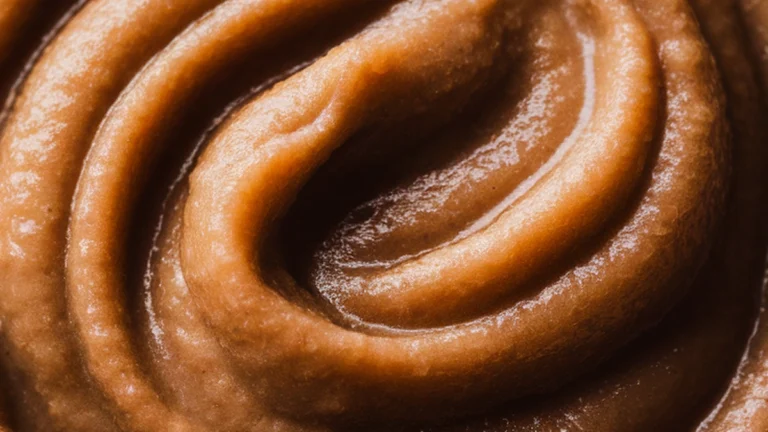
Bonga fish domoda is a West African classic—a rich, slow-simmered peanut sauce built on tomatoes, garlic, and spices, with delicate fish fillets cooked gently in the finished sauce. This one-pot meal comes together in under an hour and works equally well as a weeknight dinner or a dish to serve guests, paired with rice or couscous.
Recipe Details
- Prep Time: 15 minutes
- Cook Time: 40 minutes
- Total Time: 55 minutes
- Servings: 4
Ingredients
- 2 tablespoons vegetable oil
- 2 medium onions, finely chopped
- 3 garlic cloves, minced
- 2 tomatoes, diced
- 2 tablespoons tomato paste
- 1 cup peanut butter
- 1 tablespoon ground paprika
- 1 teaspoon ground cayenne pepper (adjust according to your spice preference)
- Salt to taste
- Pepper to taste
- 4 cups water
- 2 pounds bonga fish fillets
- Fresh parsley or cilantro, chopped (for garnish)
Instructions
- Heat the vegetable oil in a large pot over medium heat.
- Add the onions and garlic to the pot and sauté until they become translucent.
- Stir in the diced tomatoes and tomato paste, cooking for a few minutes until the tomatoes soften.
- Add the peanut butter, ground paprika, cayenne pepper, salt, and pepper to the pot. Stir well to combine all the ingredients.
- Slowly pour in the water while continuously stirring the mixture to ensure the peanut butter is well incorporated.
- Bring the sauce to a simmer and let it cook for about 15-20 minutes, allowing the flavors to meld together.
- Gently place the bonga fish fillets into the simmering sauce, making sure they are fully submerged. Cook for another 10-15 minutes or until the fish is fully cooked and flakes easily.
- Taste the sauce and adjust the seasoning if needed.
- Remove the pot from heat and let it cool slightly before serving.
- Garnish with freshly chopped parsley or cilantro.
- Serve the bonga fish domoda hot with rice or couscous.
Variations
Vegetable addition: Stir diced carrots, potatoes, or cabbage into the sauce during the 15–20 minute simmer, before adding the fish. This adds body and turns the dish into a complete one-pot meal without extra sides.
Heat level adjustment: Use 1/2 teaspoon cayenne if you prefer mild heat, or up to 2 teaspoons for a noticeably spicy finish. Taste after 15 minutes of simmering to catch your preference before the fish goes in.
Protein swap: Substitute chicken thighs or beef chuck cut into bite-sized pieces for the bonga fillets. Increase the initial sauce simmer to 25–30 minutes to ensure the meat is tender before serving.
Creamier sauce: Add 1/2 cup of coconut milk or heavy cream at the end of step 6, just before adding the fish. This mellows the spice and adds richness without overwhelming the peanut flavor.
Depth from tomato: Replace 1 tablespoon of tomato paste with 1 tablespoon of sun-dried tomato paste for a more concentrated, slightly sweet tomato note that intensifies the sauce.
Tips for Success
Don’t skip the slow peanut incorporation: Stir constantly as you pour in the water to prevent lumps. A lumpy sauce is harder to cook down smoothly and can trap pockets of unincorporated peanut butter.
Let the sauce build before adding fish: The 15–20 minute simmer before the fish goes in allows the paprika and cayenne to bloom and the tomato to break down fully. Rushing this step results in a flat-tasting sauce.
Check fish doneness by flaking, not time: Bonga fillets vary in thickness; lean on the lower end of 10 minutes if your fillets are thin, or closer to 15 if they’re thick. The fish is done when a fork easily separates the flesh along the grain.
Taste and season at the end: The sauce can absorb a lot of salt during simmering. Always taste after the fish is cooked and adjust salt and pepper once, rather than adding it all upfront.
Prep vegetables the night before: Chop the onions, garlic, and tomatoes and store them in separate airtight containers in the fridge. On cooking day, you’ll go from cold ingredients to the pot in under 5 minutes.
Storage and Reheating
Refrigerator: Transfer the cooled domoda to an airtight container and store for up to 3 days. The sauce thickens slightly as it cools.
Freezer: This dish freezes well for up to 2 months in an airtight freezer-safe container. Freeze the sauce and fish together to preserve moisture.
Reheating: Thaw in the refrigerator overnight if frozen. Reheat gently on the stovetop over medium-low heat, stirring occasionally and adding a splash of water or broth if the sauce has thickened too much. Microwave works in a pinch but can dry the fish if heated above medium power; use 50% power and stir halfway through.
FAQ
Can I use a different type of fish? Yes. Any white, flaky fish like cod, tilapia, or snapper works well. Avoid oily fish like mackerel, which can overpower the peanut sauce.
Is the sauce supposed to be this thick? The sauce should be pourable but coat the back of a spoon. If it’s too thick after the fish is added, thin it with water or broth a tablespoon at a time. If it’s too thin, simmer uncovered for another 5 minutes to reduce.
Can I make this without fish for a vegetarian version? Yes. Omit the fish and add 2 cups of cubed potatoes and 1 cup of chopped leafy greens (spinach or kale) to the sauce in step 6. Simmer for 20 minutes until the potatoes are tender.
What’s the best side dish? Plain white rice, brown rice, or couscous are traditional. Couscous is faster if you’re short on time. A side of steamed greens or a simple salad with lime dressing balances the richness of the sauce.
Attribution: Recipe text from “Cookbook:Bonga Fish Domoda (Gambian Fish in Peanut Sauce)” on Wikibooks (© Wikibooks contributors).
Source: https://en.wikibooks.org/wiki/Cookbook:Bonga_Fish_Domoda_(Gambian_Fish_in_Peanut_Sauce)
License: CC BY-SA 4.0 — https://creativecommons.org/licenses/by-sa/4.0/
Additions: Editorial additions and formatting changes were made for clarity and usability. Ingredients, instructions, and other sections may be adapted where appropriate.